
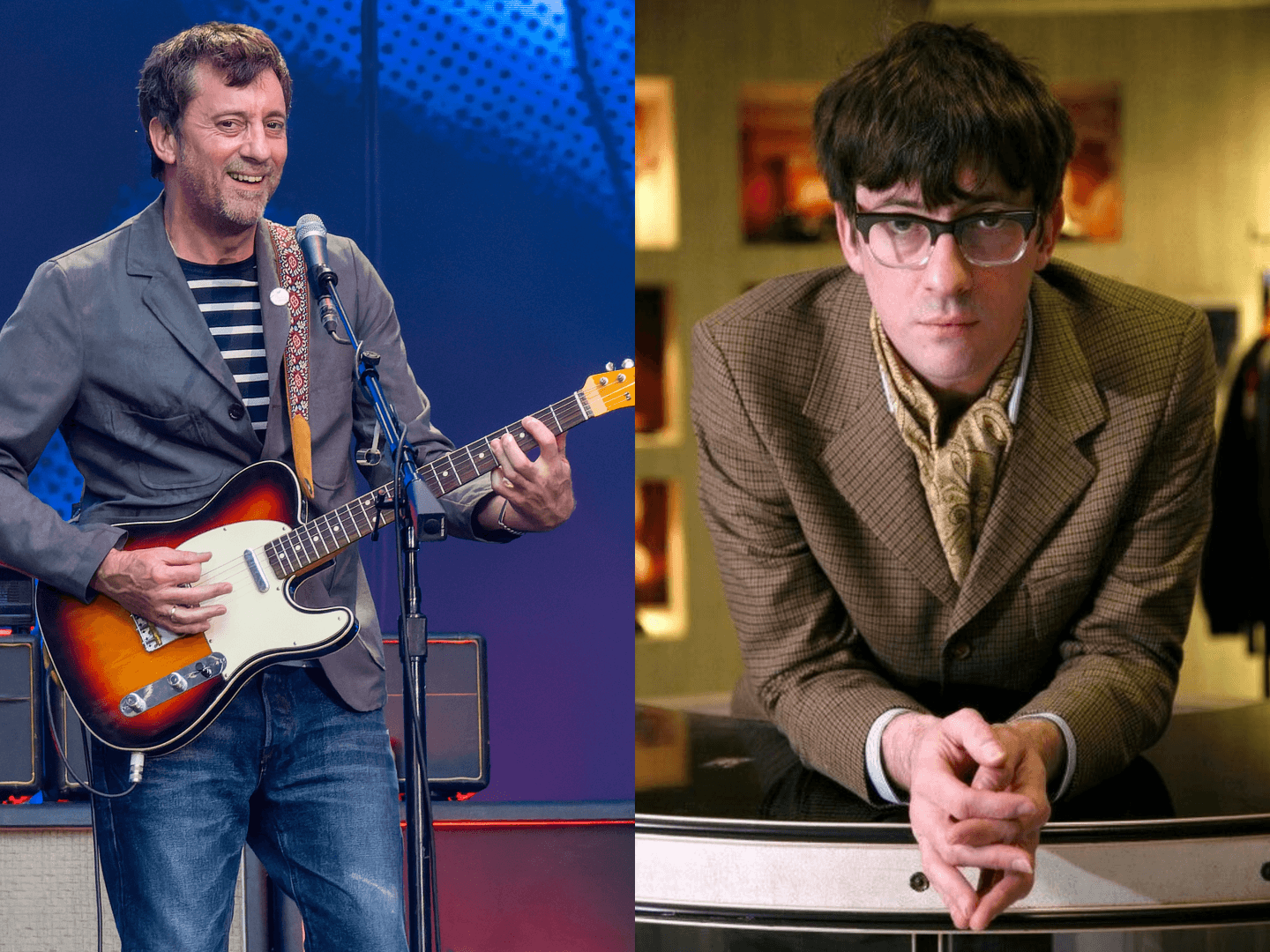
Graham Coxon in the 1990s was Blur’s guitarist and a reluctant architect of Britpop, a decade that brought him massive fame while pushing him toward a psychological breaking point. His story from 1994 to 1998 traces the arc from Parklife‘s triumph to his first solo album, a deliberate escape from the Britpop machine.
Coxon joined Blur as guitarist and became central to their sound as the band rose through the early 1990s. By 1994, Blur released Parklife, the album widely credited with defining Britpop’s commercial and cultural peak. Coxon’s guitar work underpinned Damon Albarn’s songwriting, though he would later describe the era’s celebratory atmosphere as increasingly alien to him .
The commercial success brought a darker side that Coxon found difficult to reconcile with his artistic instincts. He later said that making music which became commercially successful involved “some sort of dealing with the devil,” requiring artists to alter their work . The Britpop circus, with its champagne parties and media frenzy, felt hollow to him. The 1995 chart battle between Blur’s “Country House” and Oasis’s “Roll With It” crystallized this discomfort. At a record company celebration party at Soho House in London, Coxon attempted to jump from a sixth-storey window. Damon Albarn talked him out of it. Coxon described the victory as “a hollow, pointless victory” and said he “couldn’t handle being part of that crowd” .
The late 1990s saw Coxon steer Blur away from the Britpop formula. On the 1997 self-titled album, the band embraced lo-fi and American alternative rock influences, a shift reportedly driven by Coxon’s urging . The album featured “You’re So Great,” the first Blur song with lyrics and lead vocals by Coxon, signaling his growing need for creative autonomy . This was a stark contrast to the Parklife era, when he operated within Albarn’s songwriting framework. The self-titled album was rawer, more experimental, and commercially riskier than the Britpop hits that preceded it.Graham Coxon Quick Bio
Note: Height is sourced from a secondary entertainment database and may not be confirmed by an official primary source. Awards and net worth could not be verified through the authoritative sources available in this search and have been omitted rather than estimated.
In 1998, Coxon released his debut solo album, The Sky Is Too High, on his own label Transcopic. He wrote, recorded, and produced the entire record himself . The BBC’s review noted that the album was “as far removed from Britpop as Alanis Morissette’s ‘Ironic’ is from irony,” describing its lo-fi sound and some guitar playing as akin to “an eight-year-old experimenting with his first Fisher Price axe” . The comparison was not dismissive but illustrative: this was music made on Coxon’s terms, without commercial calculation. Songs like “Where’d You Go?” and “A Day Is Far Too Long” offered acoustic-driven ballads that had more in common with folk and indie rock than the polished Britpop singles he had played on.
The 1990s Coxon legacy is double-edged. He was essential to Blur’s greatest commercial achievements, yet he was also the member most visibly ill at ease with what those achievements demanded. His guitar playing on Parklife and the self-titled album demonstrates his range, from tightly arranged pop to ragged, noisy experimentation. His solo work from 1998 established a pattern he would follow for years, releasing albums on Transcopic and prioritizing artistic freedom over chart performance. The decade ended with Coxon having survived the Britpop machine and begun building an independent identity outside it, a trajectory that would eventually lead to his departure from Blur in 2002 before a later reunion.
Q1: What happened to Graham Coxon during the Blur vs Oasis chart battle in 1995?
Coxon attempted to jump from a sixth-storey window at a Soho House celebration party after Blur’s “Country House” beat Oasis to Number One. He described the victory as “hollow, pointless,” and Damon Albarn talked him out of it .
Q2: What was Graham Coxon’s first solo album and when was it released?
The Sky Is Too High was released in 1998 on Coxon’s own label, Transcopic. He wrote, recorded, and produced the entire album himself, and it marked a deliberate departure from Blur’s Britpop sound into lo-fi territory .
Q3: Why did Blur’s 1997 self-titled album sound so different from Parklife?
Coxon actively pushed the band away from Britpop. He wrote to Albarn asking to “start scaring people again,” and the album embraced American indie influences like Pavement and Sonic Youth, with Coxon’s “You’re So Great” becoming his first Blur song with lead vocals and lyrics .
Q4: When and why did Graham Coxon leave Blur?
Coxon left in 2002 during the making of Think Tank. He had entered rehab for alcohol and depression in 2001, and the band’s manager told him his services were no longer required. Coxon said there was “no row, no clash,” only professional problems .
Q5: What song marked Graham Coxon’s first lead vocal on a Blur album?
“You’re So Great” on the 1997 self-titled album was the first Blur track written and sung by Coxon. Its raw, lo-fi style previewed the direction of his solo work, which began the following year with The Sky Is Too High .
